Slovak Soviet Republic
Appearance
move to sidebar
hide
|
You can help expand this article with text translated from the corresponding article in Slovak. (February 2022) Click for important translation instructions.
|
| Slovak Soviet RepublicSlovenská republika rád (Slovak) Szlovák Tanácsköztársaság (Hungarian) Словацька Радянська Республіка (Ukrainian) |
|||||||||||||
|---|---|---|---|---|---|---|---|---|---|---|---|---|---|
| 1919 | |||||||||||||
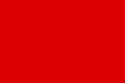 Flag  Emblem |
|||||||||||||
| Motto: «Proletari šickich krajin, spojte še!» «Workers of the world, unite!« |
|||||||||||||
| Anthem: «Internacionála» The Internationale |
|||||||||||||
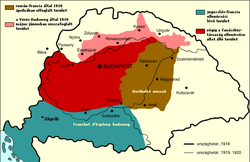 Slovak Soviet Republic |
|||||||||||||
| Status | Puppet state of the Hungarian Soviet Republic | ||||||||||||
| Capital | Prešov | ||||||||||||
| Common languages | |||||||||||||
| Government | Soviet socialist republic | ||||||||||||
| Chairman of the Revolutionary Government Council | |||||||||||||
| Historical era | Interwar period | ||||||||||||
| • Proclaimed | 16 June 1919 | ||||||||||||
| • Military intervention | 7 July 1919 | ||||||||||||
| ISO 3166 code | SK | ||||||||||||
|
|||||||||||||


The Slovak Soviet Republic (Slovak: Slovenská republika rád, Hungarian: Szlovák Tanácsköztársaság, Ukrainian: Словацька Радянська Республіка, literally: ‘Slovak Republic of Councils’) was a short-lived Communist state in southeast Slovakia in existence from 16 June 1919 to 7 July 1919. Its capital city was Prešov, and it was established and headed by Czech journalist Antonín Janoušek. It was the fourth communist state created in history.
History
In 1918, Czechoslovak troops began occupying northern Hungary in accordance with the territorial promises that the Triple Entente made to Czechoslovak politicians during World War I. However, Upper Hungary (today mostly Slovakia) was occupied by Hungarian troops from the Hungarian Soviet Republic, who helped create the Slovak Soviet Republic.
Following a brief war among Hungary, Czechoslovakia and Romania, the Slovak Soviet Republic fell and later the territory was incorporated into Czechoslovakia. A similar sounding state called the Slovak Socialist Republic existed during the existence of Czechoslovakia, between 1969 and 1990, succeeded by the Slovak Republic until 1992 and on 1 January 1993, Czechoslovakia collapsed into the Czech Republic and Slovakia.
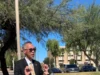
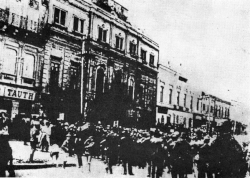 Proclamation of the Slovak Soviet Republic in Prešov
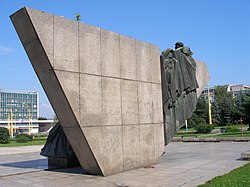 SRR Memorial in Prešov
See also
- Hungarian Soviet Republic (Council Republic of Hungary)
- Ukrainian Soviet Socialist Republic
- German Revolution of 1918–1919
- Spartacist uprising
References
- ^ «Slovakia». World Statesmen.
- ^ Toma 1958, p. 207.
- ^ Toma 1958, p. 203.
- ^ Hofbauer, Hannes ; Noack, David X. (2012). Slowakei. Der mühsame Weg nach Westen (in German). Vienna: Promedia. pp. 40–41. ISBN 978-3-85371-349-5.
Bibliography
- Toma, Peter A. (1958). «The Slovak Soviet Republic of 1919». American Slavic & East European Review. 17 (2): 203–215.
Slovakia articles |
||||||||||
|---|---|---|---|---|---|---|---|---|---|---|
| History |
|
 |
||||||||
| Geography |
|
|||||||||
| Politics |
|
|||||||||
| Economy |
|
|||||||||
| Society |
|
|||||||||
|
||||||||||
|
|||||||
|---|---|---|---|---|---|---|---|
| Treaties | |||||||
| Diplomacy | |||||||
| Successor states |
|
||||||
| Cessions |
|
||||||
| Post World War I armed conflicts |
|||||||
Socialism by country |
|||||||||||||
|---|---|---|---|---|---|---|---|---|---|---|---|---|---|
| By country | |||||||||||||
| History | |||||||||||||
| Regional variants | |||||||||||||
| Current and historical socialist states |
|
||||||||||||
| History of socialism | |||||||||||||
| Authority control databases: National |
|
|---|
  |
This Ukrainian history–related article is a stub. You can help Wikipedia by expanding it. |
- v
- t
- e
 |
This Hungarian history article is a stub. You can help Wikipedia by expanding it. |
- v
- t
- e
 |
This article about Slovak history is a stub. You can help Wikipedia by expanding it. |
- v
- t
- e